

We invite you to participate in the International Scientific and Practical Conference “Modern problems of ecology, transport and agricultural technologies” on 10.12.2021 at 1287 Post Avenue Leonard
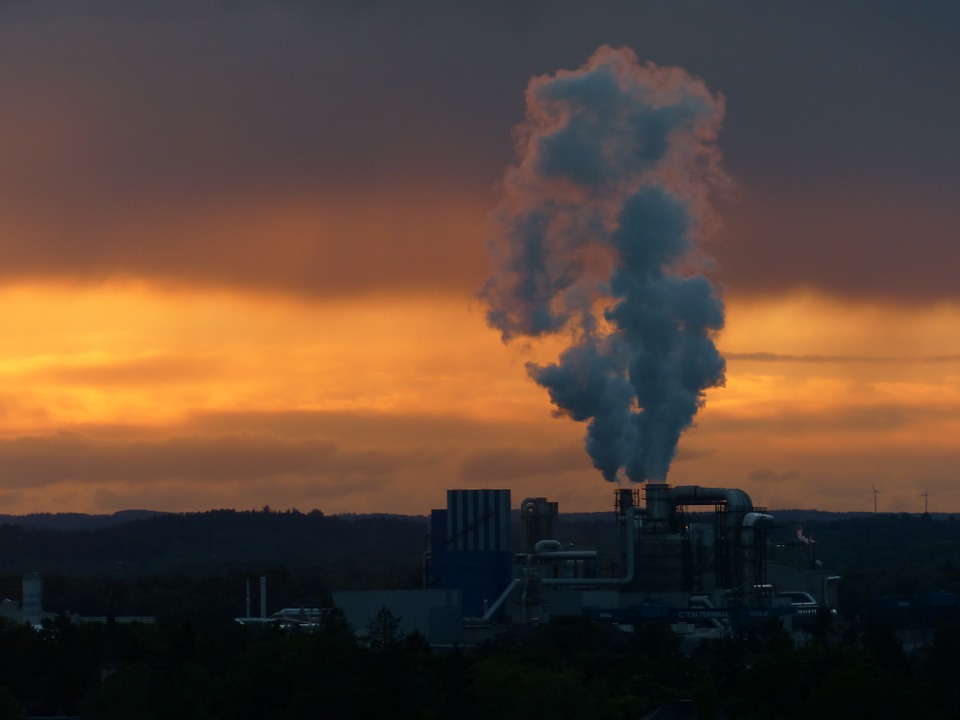
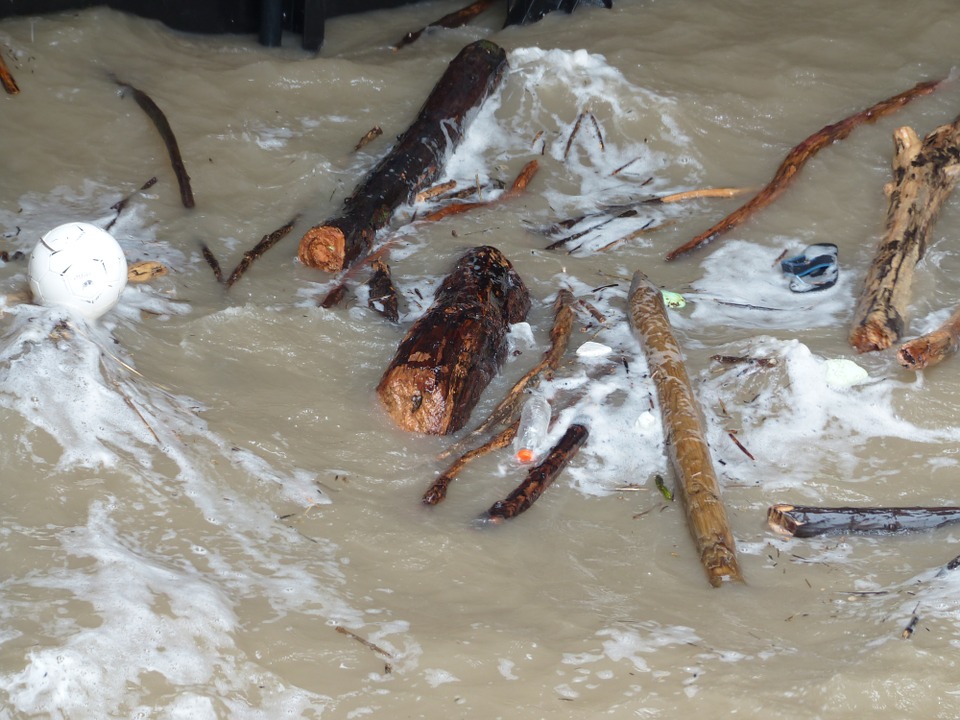
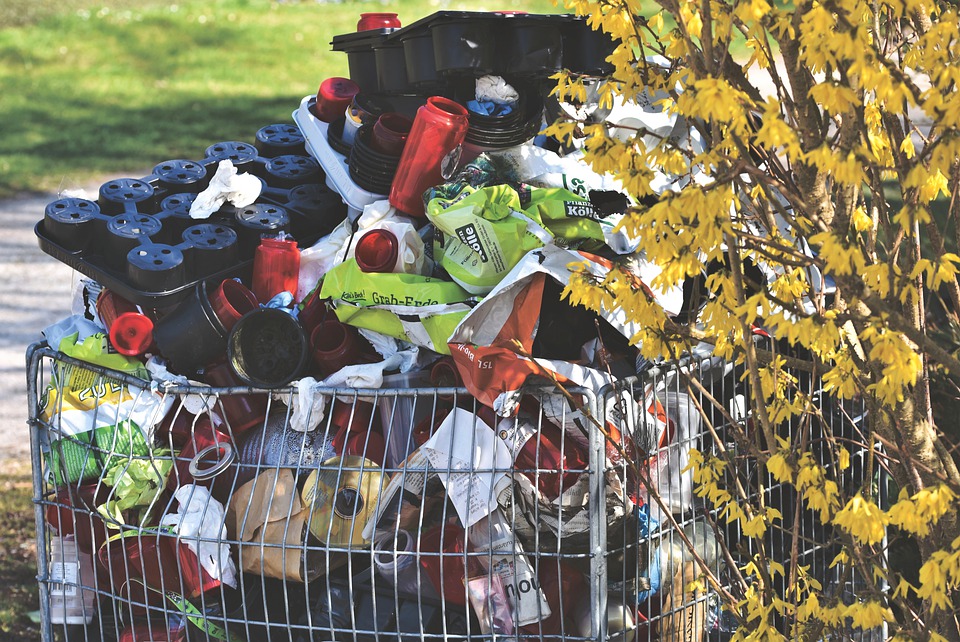
Nowadays, the protection of the environment has come to the forefront. The consequences of insufficient attention to the problem can be catastrophic. It is not just a question of the well-being of mankind, but of its survival. Especially alarming is the fact that the degradation of the natural environment may be irreversible. Water pollution damages human health and fish stocks. Degradation of agricultural land has led to drought and soil erosion in many areas. Hence malnutrition, hunger, disease.Air pollution causes more and more damage to human health. Massive destruction of forests negatively affects the climate and reduces biodiversity and the gene pool.
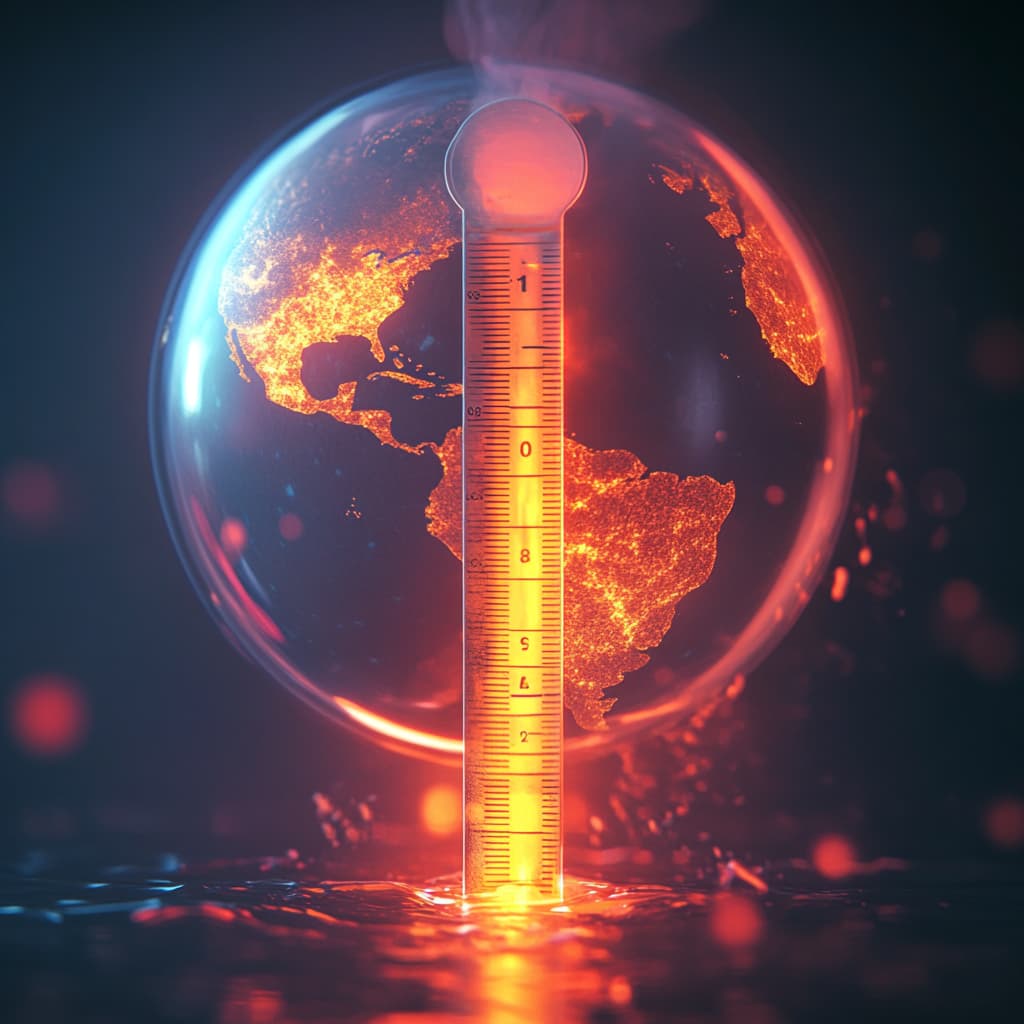
A serious threat to health is the depletion of the ozone layer, which protects against harmful radiation from the sun. Catastrophic changes in the Earth’s climate are caused by the “greenhouse effect”, i.e. global warming due to increasing emissions of carbon dioxide into the atmosphere. Irrational use of mineral and living resources leads to their depletion, which again poses a problem for human survival. Finally, accidents at facilities handling radioactive and poisonous substances, not to mention nuclear weapons testing, cause enormous damage to human health and nature. Protecting nature is the task of our century, a problem that has become a social one.
Again and again we hear about the dangers threatening the environment, but still many of us consider them an unpleasant but inevitable generation of civilization, and believe that we still have time to cope with all the difficulties that have emerged. The human impact on the environment has taken on alarming proportions. Targeted and deliberate action will be necessary to improve the situation fundamentally. A responsible and effective environmental policy will only be possible if we accumulate reliable data about the current state of the environment, sound knowledge about the interaction of important ecological factors, and if we develop new methods to reduce.

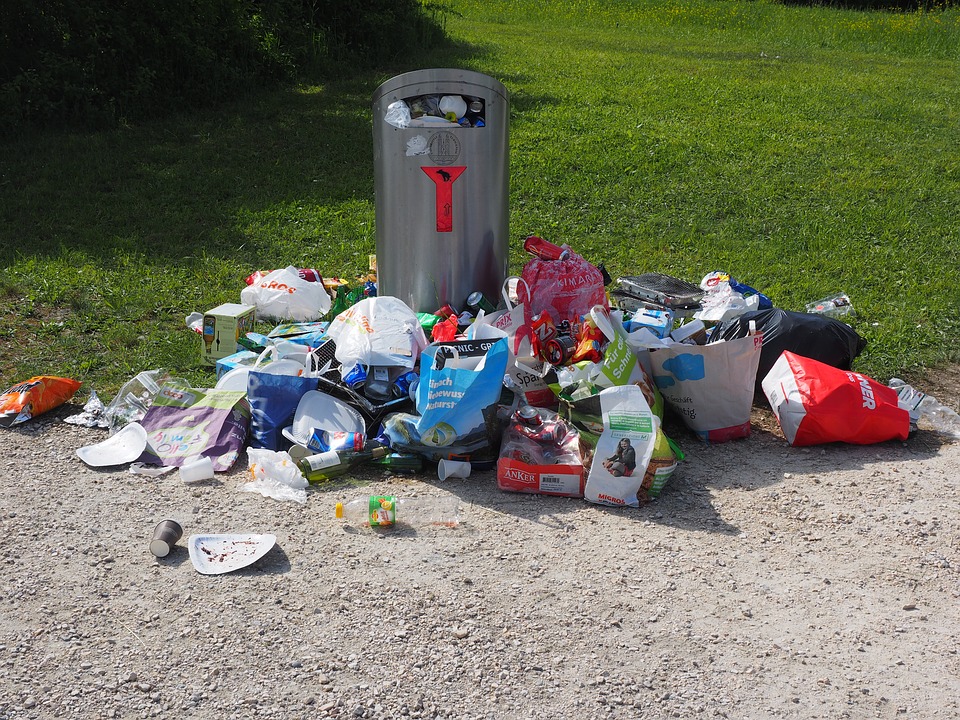
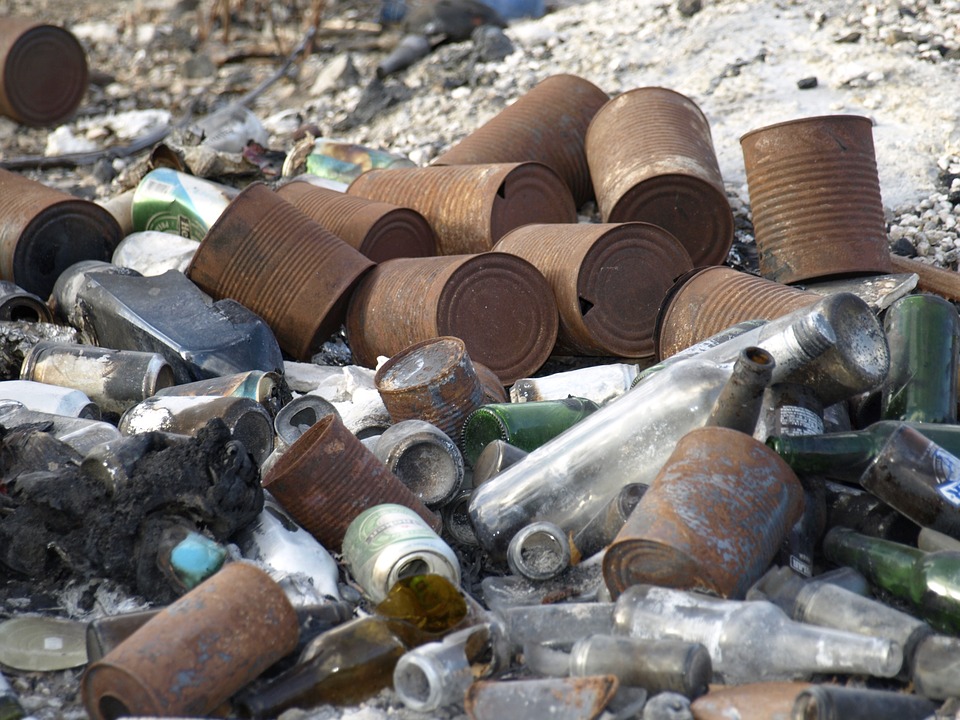
The purpose of the conference is to present innovative approaches to solving problems of ecology, environmental protection, the prospects for the development of land transport and transport-technological machines, agricultural technologies.
Posts
- Global Warming and Its Impact on the Spread of Diseases
 Global warming is commonly discussed in the context of melting glaciers, rising sea levels, and extreme weather events. However, one of its most concerning and less visible effects is the… Read more: Global Warming and Its Impact on the Spread of Diseases
 - The Critical Role of Geological Consultants in Environmental SustainabilityGeological consultants play a crucial role in ensuring that mining operations are both productive and environmentally sustainable. In an industry where resource extraction must be balanced with ecological preservation, geological… Read more: The Critical Role of Geological Consultants in Environmental Sustainability
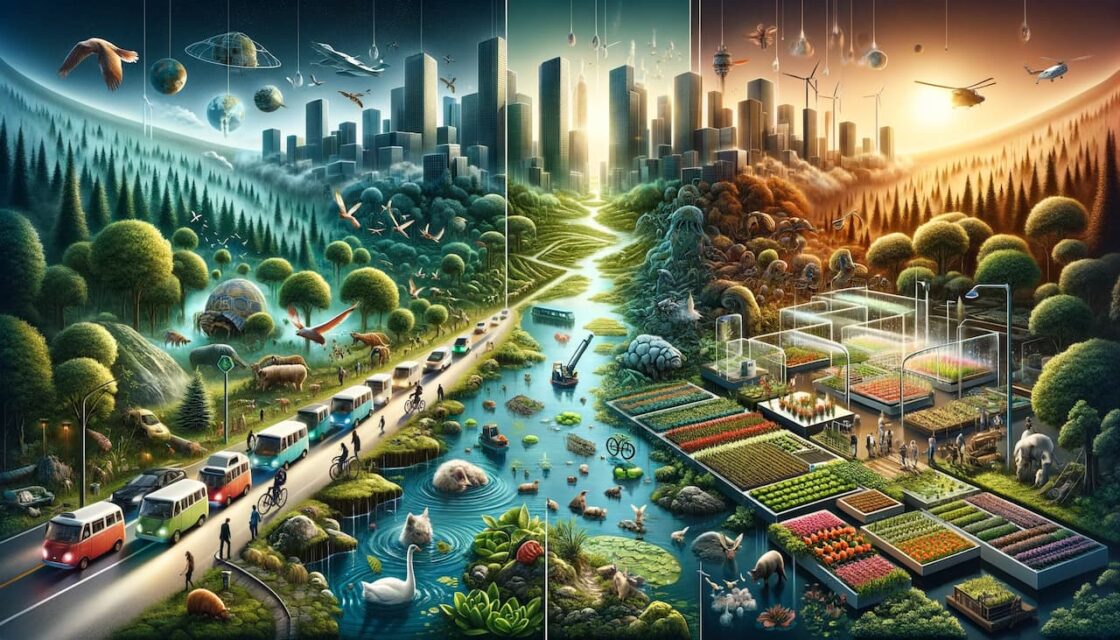
- Addressing Modern Challenges in Ecology, Transport, and AgricultureThe modern world faces a constellation of interconnected challenges that span across ecology, transport, and agriculture. Each sector, while distinct, influences and is influenced by the others, creating a complex… Read more: Addressing Modern Challenges in Ecology, Transport, and Agriculture

Sections:

Technosphere and environmental safety, agroecology
- Environmental protection in power engineering and automobile transport.
- Labor protection, industrial and environmental safety.
- Ecological problems in agriculture.
- Ecology and transport.
- Ecology in power engineering.
- Information technologies in ecology.Modern problems and perspectives of land transport and transport-technological machines.

Modern problems and prospects for the development of agro-technology.
- Innovative solutions in agro-technology.
- Biotechnology in crop and livestock production.
- Technical and technological modernization of the agroindustrial complex.
- Modern aspects of crop and livestock production, processing and storage.
- Digitalization of agriculture.
- Electrotechnologies and electrical equipment in agriculture.
- Energy and resource saving technologies and systems.

Modern problems and perspectives of land transport and transport-technological machines.
- Safety of transport and transport-technological machines and systems.
- Improvement of wheeled and tracked machines designs.
- Operation of land transport and transport technological machines.
- Power engineering and transport.

Important dates
Till 17.11.2021- Acceptance of applications for participation in the conference.
Till 20.11.2021 – Materials submission for the Publication.
10.12.2021 – Full-time conference;
10.00 – 12.00 – plenary session;
12.00 – 19.00 – work in the sections.
After 19.00 – Summing up
Trusted by top brands










Register for the conference right now!
Contact Details
1287 Post Avenue
Leonard, MN 56652
+1 218-968-8049
contact@glogov.org